
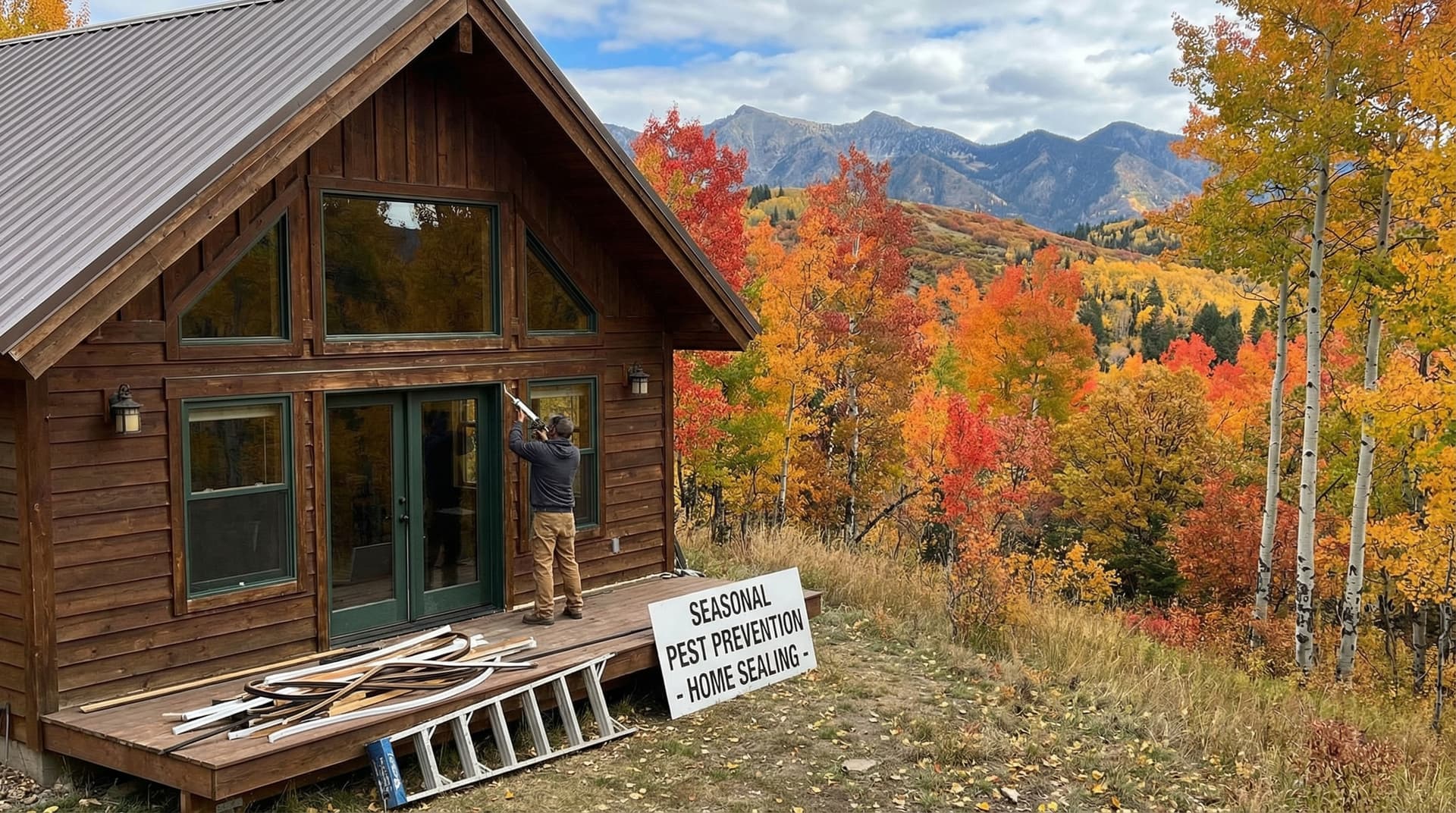

Key Takeaways
- 1Fall is the second most critical pest prevention period - pests entering now will overwinter in your home
- 2Mice can squeeze through gaps as small as 1/4 inch - seal all entry points before temperatures drop
- 3Box elder bugs and stink bugs swarm on warm south-facing walls seeking winter shelter
- 4Spiders move indoors following prey insects that are also seeking shelter
- 5Professional fall treatment ($119) creates barriers before pests find entry points - call (208) 297-7947
Understanding Fall Pest Invasions in Idaho
As Boise's warm days give way to cool nights, a remarkable biological trigger occurs: thousands of pests begin seeking winter shelter. This isn't random behavior - it's encoded survival instinct that sends insects, spiders, and rodents searching for the protected environments your home provides.
Fall pest invasions happen in two waves. The first wave (September-October) involves insects seeking overwintering sites - box elder bugs, stink bugs, cluster flies, and Asian lady beetles. The second wave (October-November) brings rodents aggressively seeking indoor shelter before the first hard freeze. Understanding these patterns helps you prepare effective defenses.
September: The Early Warning Signs
September is the ideal time for your fall quarterly treatment. Establishing barriers before overwintering pests arrive is far more effective than trying to control them once they're inside your walls.
September brings the first signs of fall pest pressure in Idaho:
- Box elder bugs - Begin congregating on warm south and west-facing walls
- Stink bugs - Adults seek protected overwintering sites around structures
- Spiders - Move toward and into homes following prey insects
- Asian lady beetles - Swarm on sunny walls in large numbers
- Cluster flies - Gather on exterior walls seeking entry points
- Mice - Begin scouting for shelter as food sources diminish
October: Peak Invasion Month
Mice can squeeze through gaps the size of a dime (1/4 inch). A mouse that enters in October will breed throughout winter - one pair can produce 60+ offspring per year. Exclusion work in October prevents winter infestations.
October is when fall pest invasions reach their peak:
- Rodents - Mice and rats aggressively seek indoor shelter
- Overwintering insects - Box elders, stink bugs, and cluster flies at peak activity
- Spiders - Including black widows, seeking indoor shelter
- Wasps - Queens seeking overwintering sites; colonies dying off
- Crickets - Field crickets invading garages and basements
November: Final Push Before Winter
November represents the last major push of pests seeking shelter:
- Rodent activity peaks - Mice and rats make final shelter-seeking efforts before hard freeze
- Overwintering insects settle - Those that found entry are now in walls and attics
- Indoor spider activity - Spiders active in heated areas of homes
- Pantry pest activity - Moths and beetles in stored foods become noticeable
Understanding Overwintering Insects
Overwintering insects are fall's most visible pest problem. These pests don't breed indoors - they're seeking a place to hibernate through winter. Understanding them helps with management:
Box Elder Bugs
- Black with distinctive red/orange markings
- Harmless - don't bite or damage structures
- Congregate in massive numbers on sunny walls
- Enter through tiny gaps around windows and doors
- May stain surfaces if crushed
Brown Marmorated Stink Bugs
- Shield-shaped, mottled brown appearance
- Release foul odor when disturbed or crushed
- Don't bite or cause structural damage
- Enter through gaps, cracks, and openings
- Can emerge indoors on warm winter days
Cluster Flies and Asian Lady Beetles
- Cluster flies: Larger than house flies, sluggish fliers, seek attic spaces
- Asian lady beetles: Orange with variable spots, bite and release odor
- Both enter in large numbers seeking winter shelter
- Emerge on warm days throughout winter
- Treatment focuses on prevention - they're difficult to control once inside walls
Fall Rodent Prevention
Rodent prevention is the most important fall pest priority. The mice and rats that enter in fall will cause problems all winter:
Common Rodent Entry Points
- Garage door seals - The #1 entry point for mice in Idaho
- Utility line entries - Gaps around pipes, wires, and cables
- Foundation gaps - Cracks and holes at the foundation line
- Soffit and fascia gaps - Where roof meets walls
- Dryer vents - If damper is missing or damaged
- Door sweeps - Worn or missing weatherstripping
Rodent Exclusion Strategies
Professional exclusion work includes warranty protection. If rodents find a way in through sealed areas, we return to address it at no charge.
- Inspect your foundation - Walk around your home looking for any gaps larger than 1/4 inch
- Seal with proper materials - Use copper mesh stuffed into gaps, then caulk. Steel wool rusts and falls out.
- Check garage door seals - Replace worn rubber seals and ensure doors close completely
- Install door sweeps - All exterior doors should have weatherproof sweeps
- Cap chimneys - Install hardware cloth caps to prevent entry
- Screen vents - All soffit, foundation, and exhaust vents should have 1/4-inch mesh
Complete Fall Pest Prevention Checklist
Exterior Tasks
- Seal all gaps larger than 1/4 inch around foundation, utilities, and openings
- Replace worn weatherstripping on doors and windows
- Install or repair door sweeps on all exterior doors
- Screen all vents with hardware cloth
- Trim vegetation away from your home's exterior
- Move firewood at least 20 feet from the house
- Clean gutters to eliminate pest harborage
- Address moisture issues before winter
Interior Tasks
- Seal interior entry points around pipes, wires, and utilities
- Organize storage areas - reduce clutter where pests hide
- Store food properly - sealed containers prevent pantry pest issues
- Clean thoroughly - eliminate food debris and pest attractants
- Check stored items - inspect boxes and holiday decorations for pests
Professional Fall Service
Fall service is $119 as part of your quarterly plan. This is your most important treatment after spring - it establishes protection before overwintering pests and rodents invade. Call (208) 297-7947 to schedule.
A comprehensive fall pest control service addresses the unique challenges of this season:
- Perimeter barrier treatment - Creates a shield that eliminates pests before entry
- Entry point treatment - Targets where pests are most likely to enter
- Rodent assessment - Identification of entry points and activity signs
- Overwintering insect treatment - Exterior treatment before pests enter walls
- Spider web removal - Eliminates webs, egg sacs, and active spiders
- Free re-service guarantee - If pests return between visits, we return at no charge
Need Professional Help?
Get Same-Day Pest Control in Boise
Our local experts are standing by. Guaranteed results or we re-treat for free.