
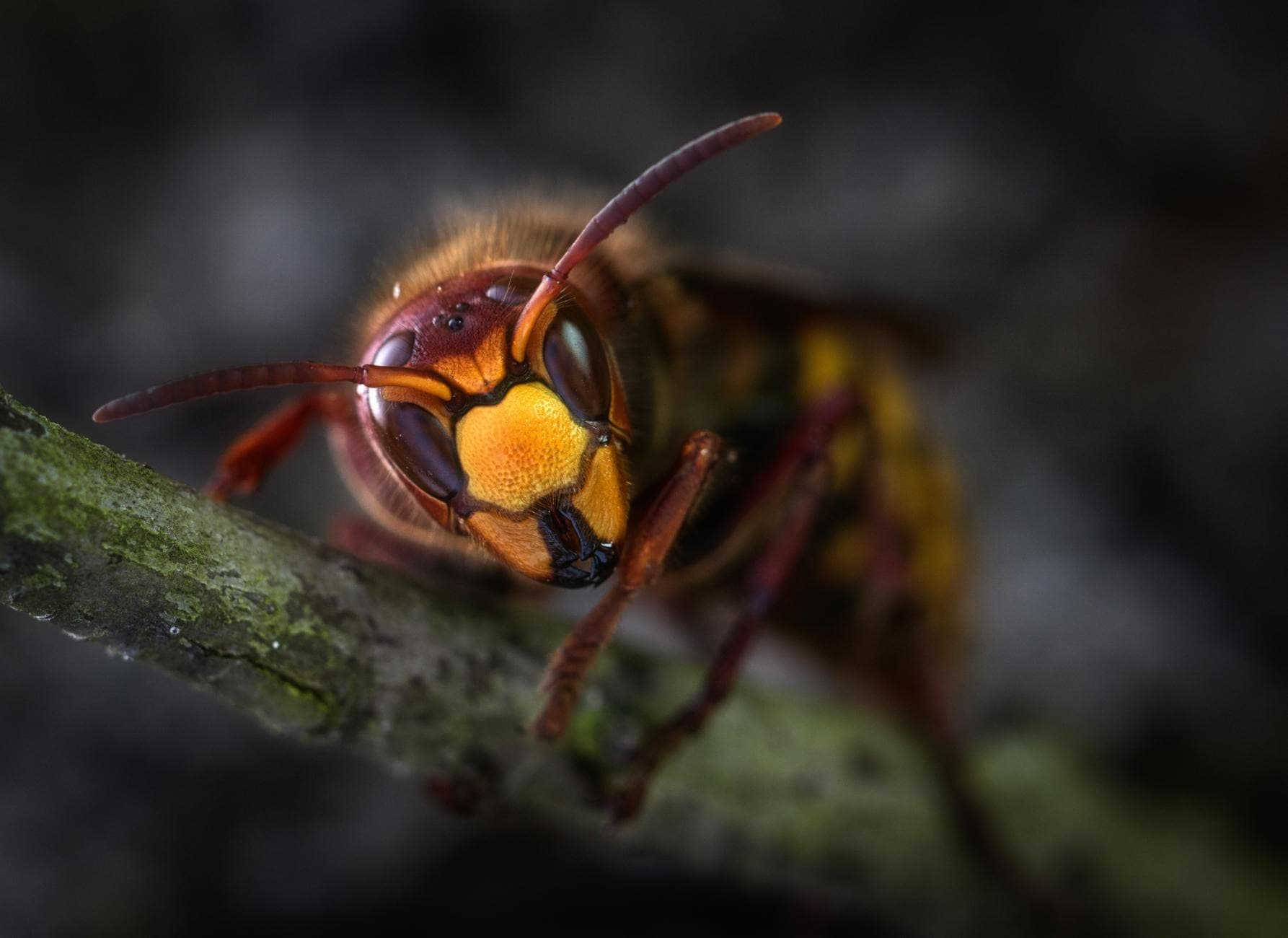

Key Takeaways
- 1Yellow jackets are most dangerous—aggressive and often nest underground or in walls
- 2Bald-faced hornets build large football-shaped nests and attack in swarms
- 3Paper wasps build small umbrella-shaped nests and are moderately defensive
- 4Mud daubers are solitary, rarely sting, and are beneficial predators
- 5Any nest larger than a golf ball requires professional removal
Understanding Wasp Nest Types
Not all wasp nests pose the same level of danger. Understanding what you're dealing with helps you make safe decisions about whether to attempt removal yourself or call a professional. Here's a guide to the most common stinging insects in the Treasure Valley.
Yellow Jackets (Most Dangerous)
Identification:
- Black and yellow striped, about 1/2 inch long
- Shiny, smooth body (not fuzzy like bees)
- Often mistaken for honeybees
Yellow Jacket Nest Characteristics
DANGER LEVEL: HIGH. Yellow jackets are aggressive, especially in late summer. They can sting multiple times and will attack in groups. Underground nests are especially dangerous—you may not see them until you step on one while mowing.
- Paper-like material, gray or tan colored
- Often underground in old rodent burrows or in wall voids
- Can contain thousands of wasps
- Entrance hole about the size of a quarter
Paper Wasps (Moderate Danger)
Identification:
- Longer legs that dangle when flying
- Slender body, brown with yellow markings
- About 3/4 inch long
Paper Wasp Nest Characteristics
DANGER LEVEL: MODERATE. Paper wasps are less aggressive than yellow jackets but will sting if their nest is disturbed. They're actually beneficial—they prey on garden pests.
- Umbrella-shaped with open cells visible (looks like a honeycomb)
- Usually under eaves, decks, or in shrubs
- Small colonies—typically 20-75 wasps
- Single paper stalk attaching nest to surface
Bald-Faced Hornets (High Danger)
Identification:
- Black and white coloring (not yellow)
- Larger than other wasps—about 3/4 inch
- Distinctive white face markings
Bald-Faced Hornet Nest Characteristics
DANGER LEVEL: HIGH. Bald-faced hornets are extremely aggressive when their nest is approached. They attack in swarms and can pursue threats for significant distances. Never attempt DIY removal.
- Large, enclosed gray paper nest
- Football or basketball sized
- Usually in trees, shrubs, or under eaves
- Can house 400-700 hornets
Mud Daubers (Low Danger)
Identification:
- Very long, thin waist (thread-waisted)
- Black, blue, or metallic colored
- Solitary wasps—no colony to defend
Mud Dauber Nest Characteristics
DANGER LEVEL: LOW. Mud daubers rarely sting—they're not defending a colony. They're actually beneficial because they hunt and paralyze spiders (including black widows) to feed their larvae.
- Made of mud tubes (not paper)
- Found under eaves, in garages, on walls
- Small individual cells, not a large nest
- Often appear as mud "pipes" or cylindrical tubes
When to Call a Professional
ALWAYS Call a Professional If:
- Nest is larger than a golf ball
- Nest is in a wall void or underground
- You're allergic to wasp stings
- You've been stung approaching the nest
- Nest is near high-traffic areas (doors, patios, play areas)
- Children or pets could encounter the nest
You Might Handle It Yourself If:
- Small paper wasp nest (under 2 inches)
- Nest is easily accessible and visible
- You have no allergies to stings
- It's a mud dauber nest (rarely sting)
Safe DIY Removal Tips
Even small nests can be dangerous. An average of 40-100 deaths occur each year from stinging insects. If you have any doubts, call a professional.
If you decide to remove a small paper wasp nest yourself:
- Wait until dusk when wasps are less active and all are in the nest
- Wear protective clothing covering all skin, including gloves and face protection
- Use commercial wasp spray from maximum distance (usually 15-20 feet)
- Have an escape route planned before you start
- Never use fire or water to remove nests—extremely dangerous
- Wait 24 hours before removing the nest to ensure all wasps are dead
Professional Wasp Nest Removal Process
- Assessment: Identify species, locate nest, and evaluate risk
- Safety Setup: Clear the area and plan safe approach
- Treatment: Apply professional-grade products that eliminate the colony
- Removal: Safely remove nest after treatment is complete
- Prevention: Identify and address conditions attracting wasps
Need Professional Help?
Get Same-Day Pest Control in Boise
Our local experts are standing by. Guaranteed results or we re-treat for free.