
Springtails
Collembola order
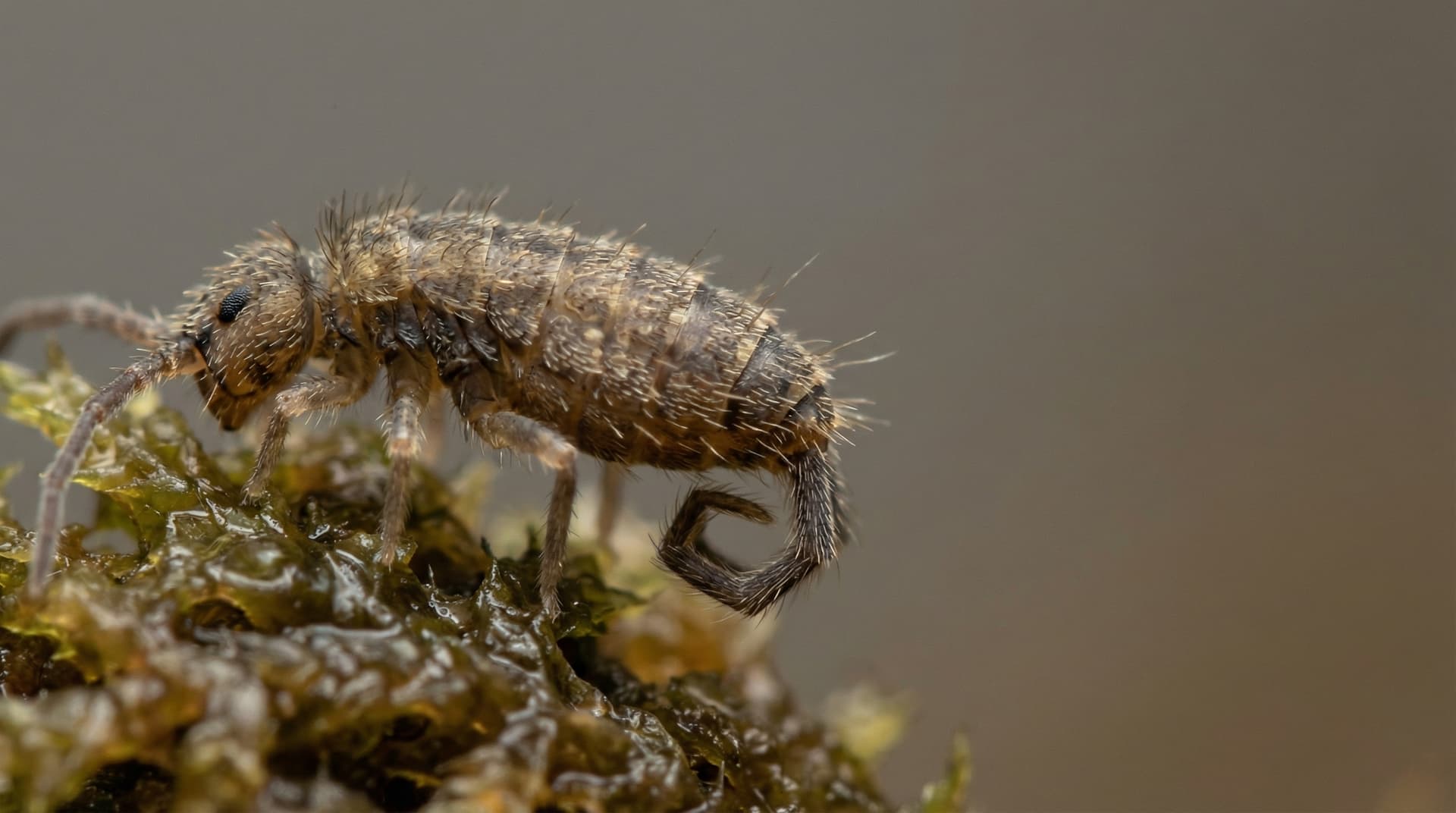
Springtails are tiny, wingless arthropods with a forked tail-like structure (furcula) that allows them to jump. They're often mistaken for fleas but don't bite. They may appear in large numbers, espec...
Quick Facts
100%
Satisfaction Guarantee
4.9/5
Customer Rating
24hr
Response Time
How to Identify Springtails
Springtails are tiny, wingless arthropods with a forked tail-like structure (furcula) that allows them to jump. They're often mistaken for fleas but don't bite.
Springtails are tiny, wingless arthropods with a forked tail-like structure (furcula) that allows them to jump. They're often mistaken for fleas but don't bite. They may appear in large numbers, especially near moisture sources or in potted plant soil.
Springtails Behavior & Habits
Understanding how springtails behave helps prevent infestations
Springtails thrive in damp conditions and feed on mold, fungi, and decaying organic matter. They're found in soil, leaf litter, and anywhere moisture accumulates. They can appear suddenly in huge numbers, especially after rain or in homes with moisture problems.
Springtails Risks & Dangers
What springtails can do to your health and property
Health Risks
Springtails don't bite, sting, or spread disease. They're completely harmless to humans, pets, and household items.
Property Damage
No property damage. They don't eat structures, fabrics, or food. They're purely a nuisance when appearing in large numbers.
Signs of Springtails Infestation
Look for these indicators in your home
Springtails in Boise & the Treasure Valley
Springtails are common in Boise homes, especially in bathrooms, kitchens, and near potted plants. Overwatered houseplants are a frequent source. They often appear after home flooding or in areas with chronic moisture problems.
How We Eliminate Springtails
Professional treatment for complete elimination
Springtail control focuses on moisture reduction—this is essential, as they cannot survive without high humidity. We identify and address moisture sources, treat affected areas, and may need to treat outdoor harborage sites. Drying out the environment is the most important step.
How to Prevent Springtails
Steps you can take to reduce the risk of infestation
Springtails Questions Answered
Common questions about identification, prevention, and treatment
Are springtails the same as fleas?
No. Springtails and fleas both jump, but springtails don't bite and are completely harmless. Springtails are white/gray, live in moist areas, and don't stay on pets or people. Fleas are brown, bite, and live on hosts.
Why are there thousands of springtails suddenly?
Springtail populations can explode when conditions are right (moisture + food). Heavy rain, overwatering, or flooding can trigger mass emergence. They may migrate indoors when outdoor areas become too wet or too dry.
Will they go away on their own?
Yes—if moisture is eliminated. Springtails require high humidity to survive. Fix leaks, improve ventilation, allow soils to dry, and they'll die off or leave within days to weeks.
Similar Pests
Learn about other pests in this category