
Yellowjacket
Vespula species
Yellowjackets are black and yellow striped wasps, often confused with bees. Key differences: yellowjackets have smooth bodies (no fur), narrow waists, and can sting multiple times. They're 10-16mm lon...
Quick Facts
100%
Satisfaction Guarantee
4.9/5
Customer Rating
24hr
Response Time
How to Identify Yellowjacket
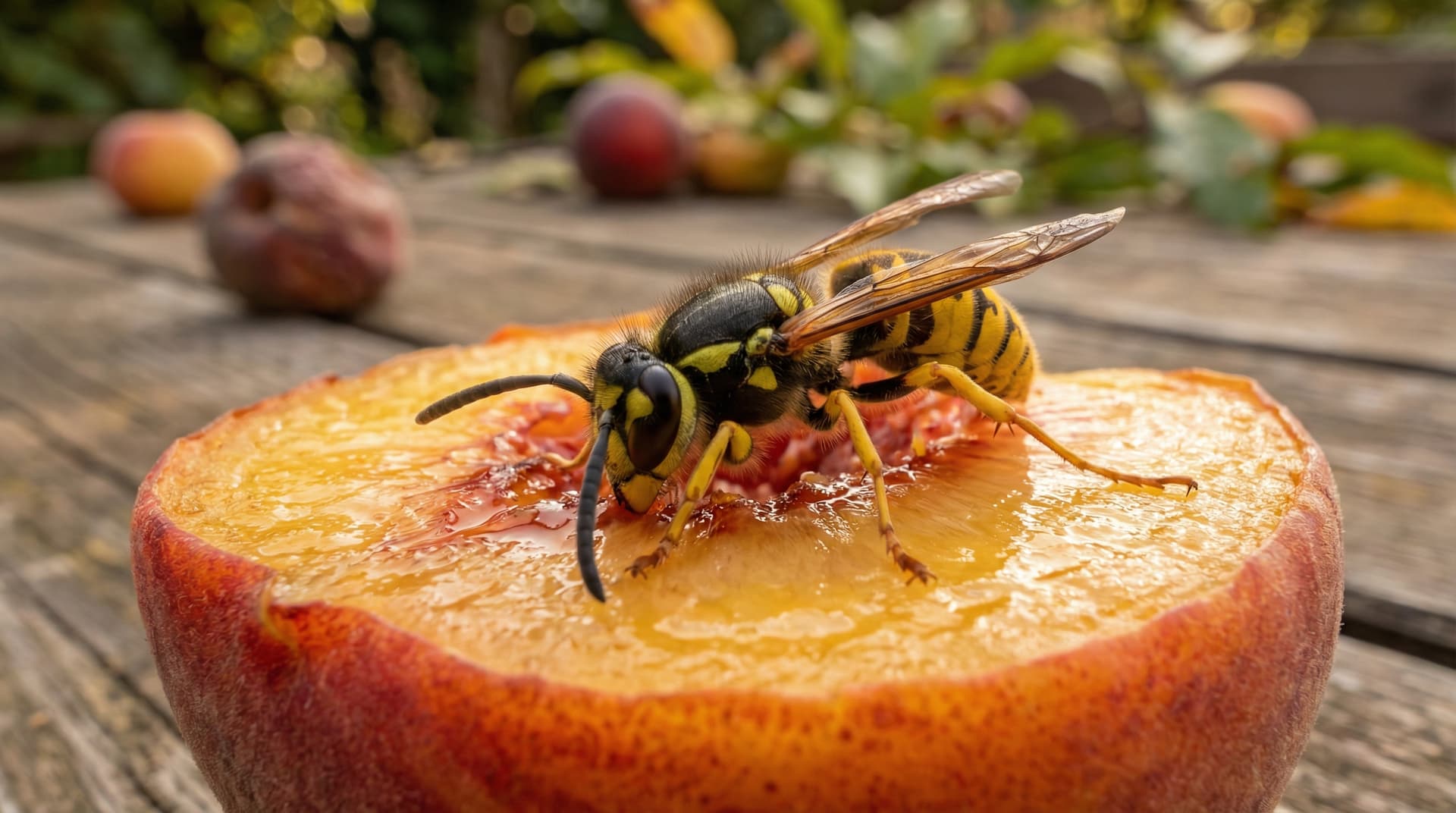
Yellowjackets are black and yellow striped wasps, often confused with bees. Key differences: yellowjackets have smooth bodies (no fur), narrow waists, and can sting multiple times.
Yellowjackets are black and yellow striped wasps, often confused with bees. Key differences: yellowjackets have smooth bodies (no fur), narrow waists, and can sting multiple times. They're 10-16mm long and fly in a side-to-side pattern before landing. Their paper nests are hidden in ground holes, wall voids, or other enclosed spaces.
Yellowjacket Behavior & Habits
Understanding how yellowjacket behave helps prevent infestations
Yellowjackets are social wasps living in colonies of 1,000-4,000 workers. They're beneficial early in summer, feeding on insects, but become aggressive in late summer when natural food sources decline and they seek human food. They're attracted to sweets, proteins, and especially carbonated beverages. Unlike bees, they can sting repeatedly.
Yellowjacket Risks & Dangers
What yellowjacket can do to your health and property
Health Risks
Yellowjacket stings are painful and can be life-threatening for those with allergies. Multiple stings can cause systemic reactions even in non-allergic individuals. Yellowjackets sting more people than any other stinging insect in North America.
Property Damage
Nests in wall voids can damage insulation and create ongoing sting risk until eliminated. Ground nests near walkways create safety hazards.
Signs of Yellowjacket Infestation
Look for these indicators in your home
Yellowjacket in Boise & the Treasure Valley
Yellowjackets are extremely common in the Treasure Valley and become most aggressive in August and September. Idaho outdoor events, barbecues, and fruit harvests attract heavy yellowjacket activity. Ground-nesting species are particularly common in Boise's drier soil conditions.
How We Eliminate Yellowjacket
Professional treatment for complete elimination
Yellowjacket nest elimination requires professional treatment with protective equipment. We treat nests directly during evening hours when wasps are inside. For wall voids, we use specialized application methods to reach the nest. We recommend waiting 48-72 hours before removing nest structure to ensure complete colony death.
How to Prevent Yellowjacket
Steps you can take to reduce the risk of infestation
Yellowjacket Questions Answered
Common questions about identification, prevention, and treatment
Why are yellowjackets so aggressive in fall?
Yellowjacket colonies reach peak size in late summer, and natural food sources decline. The colony's upcoming death makes workers desperate for food, leading them to aggressively pursue human food sources.
Can I treat a yellowjacket nest myself?
Ground and wall void nests are dangerous to approach. Disturbing a nest can trigger mass attack with potentially dozens of stings. Professional treatment with protective equipment is strongly recommended.
What's the difference between yellowjackets and bees?
Yellowjackets are wasps with smooth bodies, narrow waists, and can sting repeatedly. Bees are fuzzy, have thicker waists, and most can only sting once. Yellowjackets are generally more aggressive around food.
Similar Pests
Learn about other pests in this category