

Key Takeaways
- 1Earwigs have distinctive pincers (harmless) and prefer damp outdoor areas
- 2Silverfish are silver-gray, carrot-shaped, and prefer humid indoor spaces
- 3Both indicate moisture problems - fix the moisture and reduce the pests
- 4Earwigs are mostly outdoor pests that wander inside; silverfish live indoors
- 5Neither pest is dangerous to humans or causes structural damage
Understanding These Common Nuisance Pests
Earwigs and silverfish are two of the most common nuisance pests in Boise-area homes. While neither is dangerous or causes significant damage, their presence can be unsettling - especially earwigs with their distinctive pincers.
Both pests are strongly associated with moisture. Understanding their habits and addressing moisture issues is key to long-term control.
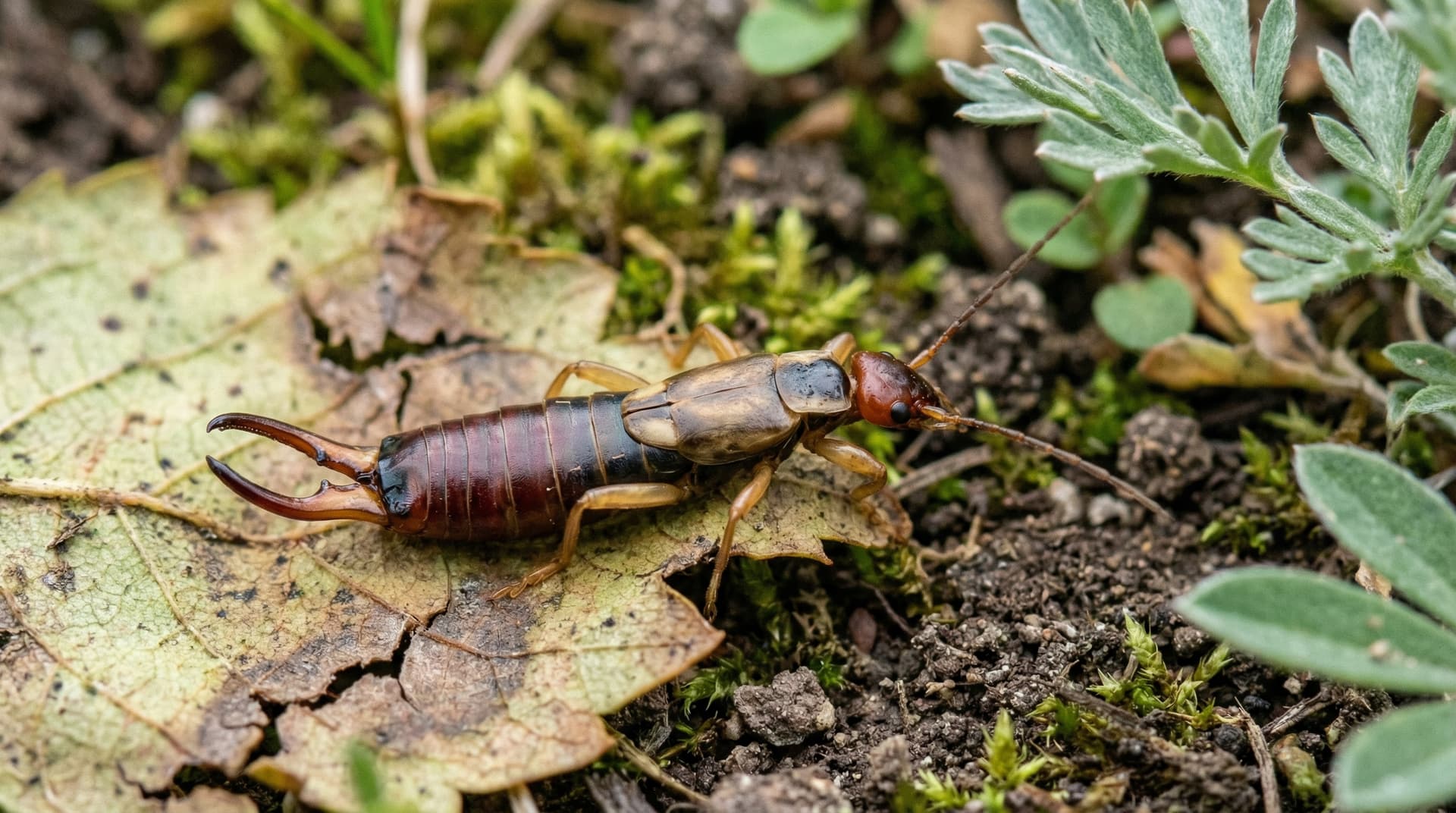
Earwig Identification
Despite their menacing appearance, earwig pincers are too weak to break human skin. The myth that they crawl into ears is false - they have no interest in human ears.
Earwigs (Forficula auricularia) are easily recognized by their characteristic pincers:
- Size: About 5/8 to 1 inch long
- Color: Dark brown to reddish-brown
- Pincers (cerci): Curved appendages on rear (larger on males)
- Body: Elongated, flattened, segmented
- Wings: Short, leathery wing covers (rarely fly)
- Antennae: Thread-like, about half body length
Earwig Behavior and Habitat
Understanding earwig behavior helps with control:
- Moisture-loving - Found in damp areas under rocks, mulch, boards
- Nocturnal - Active at night, hiding during day
- Outdoor pests - Prefer to live outside; enter homes accidentally
- Omnivores - Eat plant material, other insects, decaying matter
- Seasonal - Most common in spring and early summer
- Garden presence - Often found in garden beds and landscape mulch
Why Earwigs Enter Homes
Earwigs enter homes seeking:
- Moisture during dry weather
- Shelter during hot summer days
- Accidentally following foundation walls
- Through gaps around doors, windows, and foundations
- Attracted to lights at night (then enter through open doors)
Silverfish Identification
Silverfish (Lepisma saccharina) have a distinctive appearance:
- Size: About 1/2 to 3/4 inch long
- Color: Silver to gray, metallic sheen
- Shape: Carrot or teardrop-shaped, tapers toward rear
- Tail: Three long, tail-like appendages at rear
- Antennae: Long, thread-like
- Movement: Quick, fish-like wriggling motion
- Scales: Covered in tiny scales (hence shiny appearance)
Silverfish Behavior and Habitat
Silverfish have specific requirements and behaviors:
- High humidity needs - Require 75-95% relative humidity
- Indoor pests - Live primarily indoors unlike earwigs
- Nocturnal - Rarely seen during day; active at night
- Long-lived - Can live 2-8 years; slow reproducers
- Starch feeders - Eat paper, glue, fabric, cereals, wallpaper paste
- Common locations - Bathrooms, basements, attics, laundry areas
Potential Silverfish Damage
Silverfish damage is usually minor and slow. If you see only occasional silverfish, the population is likely small. Large numbers suggest significant humidity problems that should be addressed.
While not dangerous, silverfish can damage:
- Books and papers - Feed on paper and book bindings
- Photos - Can damage photographic materials
- Clothing - May damage starched fabrics, cotton, silk
- Wallpaper - Feed on paste and paper
- Dry foods - Can contaminate cereals, flour, pet food
Earwigs vs Silverfish: Quick Comparison
Appearance
Earwig: Brown with pincers | Silverfish: Silver, carrot-shaped
Habitat
Earwig: Outdoor (enters homes) | Silverfish: Indoor
Moisture
Earwig: Damp outdoor areas | Silverfish: High indoor humidity
Damage
Earwig: Minor garden damage | Silverfish: Paper, fabrics, foods
Seasonal
Earwig: Spring/summer peaks | Silverfish: Year-round indoors
Prevention Strategies
Both pests respond to moisture control:
Earwig Prevention
- Reduce moisture around foundation - fix drainage, don't overwater
- Remove harborage sites - debris, boards, thick mulch near foundation
- Use gravel instead of mulch next to foundation
- Seal entry points around doors, windows, and utilities
- Fix screens and door sweeps
- Turn off unnecessary outdoor lights (attracts them)
Silverfish Prevention
- Reduce indoor humidity - use dehumidifiers, improve ventilation
- Fix bathroom and kitchen leaks
- Ventilate attics, crawl spaces, and basements
- Store books and papers in dry areas
- Use airtight containers for dry foods
- Reduce clutter in storage areas
When to Call a Professional
Earwig and silverfish control is included in our quarterly service plans. For $49 to start and $119/quarter, you get protection against these pests plus all other common Idaho invaders.
Contact Green Guard Pest Control at (208) 297-7947 when:
- You're seeing large numbers of either pest regularly
- DIY efforts aren't reducing populations despite addressing moisture
- Silverfish are damaging belongings like books or clothing
- You want comprehensive treatment as part of general pest control
- You need help identifying whether you have earwigs, silverfish, or something else
Need Professional Help?
Get Same-Day Pest Control in Boise
Our local experts are standing by. Guaranteed results or we re-treat for free.