
Biting Midges (No-See-Ums)
Culicoides spp.
Biting midges, commonly called no-see-ums, are tiny flying insects barely visible to the naked eye. They look like miniature mosquitoes with grayish bodies and patterned wings. Their small size allows...
Quick Facts
100%
Satisfaction Guarantee
4.9/5
Customer Rating
24hr
Response Time
How to Identify Biting Midges (No-See-Ums)
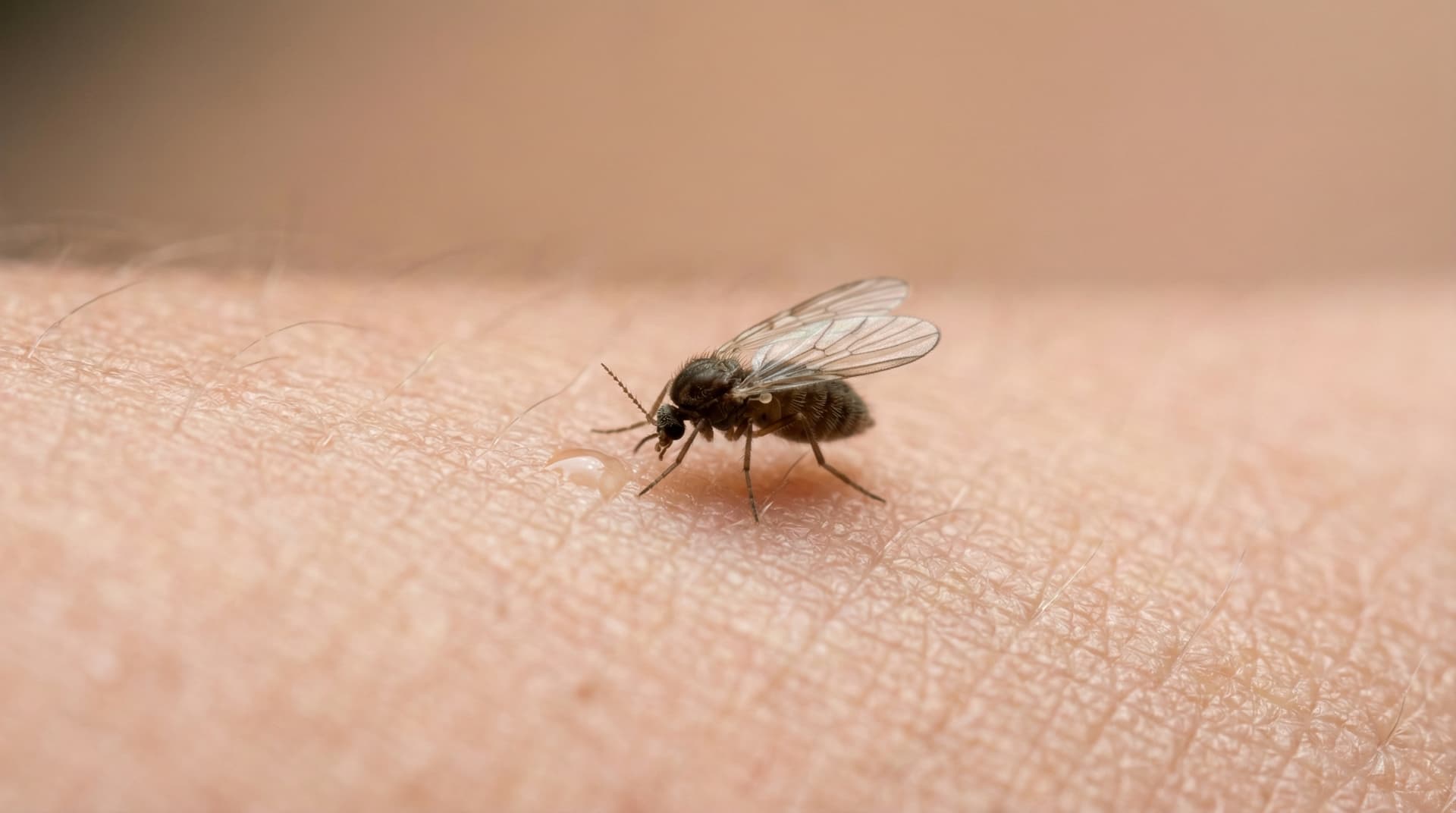
Biting midges, commonly called no-see-ums, are tiny flying insects barely visible to the naked eye. They look like miniature mosquitoes with grayish bodies and patterned wings.
Biting midges, commonly called no-see-ums, are tiny flying insects barely visible to the naked eye. They look like miniature mosquitoes with grayish bodies and patterned wings. Their small size allows them to pass through standard window screens.
Biting Midges (No-See-Ums) Behavior & Habits
Understanding how biting midges (no-see-ums) behave helps prevent infestations
Female biting midges need blood meals to reproduce. They're most active at dawn and dusk, especially in calm conditions. They breed in moist areas including stream edges, muddy soil, and even over-watered lawns. Unlike mosquitoes, they tend to bite in swarms.
Biting Midges (No-See-Ums) Risks & Dangers
What biting midges (no-see-ums) can do to your health and property
Health Risks
Biting midge bites cause intense itching, red welts, and sometimes allergic reactions. Multiple bites can cause significant discomfort. In some regions they can transmit diseases, though this is rare in Idaho.
Property Damage
No property damage. They're purely a nuisance pest that makes outdoor activities unpleasant.
Signs of Biting Midges (No-See-Ums) Infestation
Look for these indicators in your home
Biting Midges (No-See-Ums) in Boise & the Treasure Valley
Biting midges are common near Idaho's rivers, streams, and irrigated agricultural areas. Properties near the Boise River, Lucky Peak, and extensively irrigated neighborhoods experience more problems. They're most active May through September during evening hours.
How We Eliminate Biting Midges (No-See-Ums)
Professional treatment for complete elimination
Biting midge control targets breeding sites and adult populations. We identify moisture sources, apply larvicides to breeding areas, and use residual treatments on vegetation and structures. Habitat modification is essential—reducing irrigation overspray and eliminating standing water provides long-term relief.
How to Prevent Biting Midges (No-See-Ums)
Steps you can take to reduce the risk of infestation
Biting Midges (No-See-Ums) Questions Answered
Common questions about identification, prevention, and treatment
Why can't I see what's biting me?
Biting midges (no-see-ums) are only 1-3mm long—smaller than the head of a pin. They're nearly invisible, especially in low light when they're most active. Their small size also lets them pass through standard window screens.
How do I know if it's no-see-um bites vs mosquito bites?
No-see-um bites tend to be smaller, appear in clusters, and often itch more intensely than mosquito bites. You typically won't see the insect biting you, and bites may take longer to appear than mosquito bites.
Why are they worse near water?
Biting midges breed in moist soil, mud, and vegetated water edges. They don't fly far from breeding sites, so populations are concentrated near water sources, wetlands, and over-irrigated areas.
Similar Pests
Learn about other pests in this category