
Fruit Flies
Drosophila melanogaster
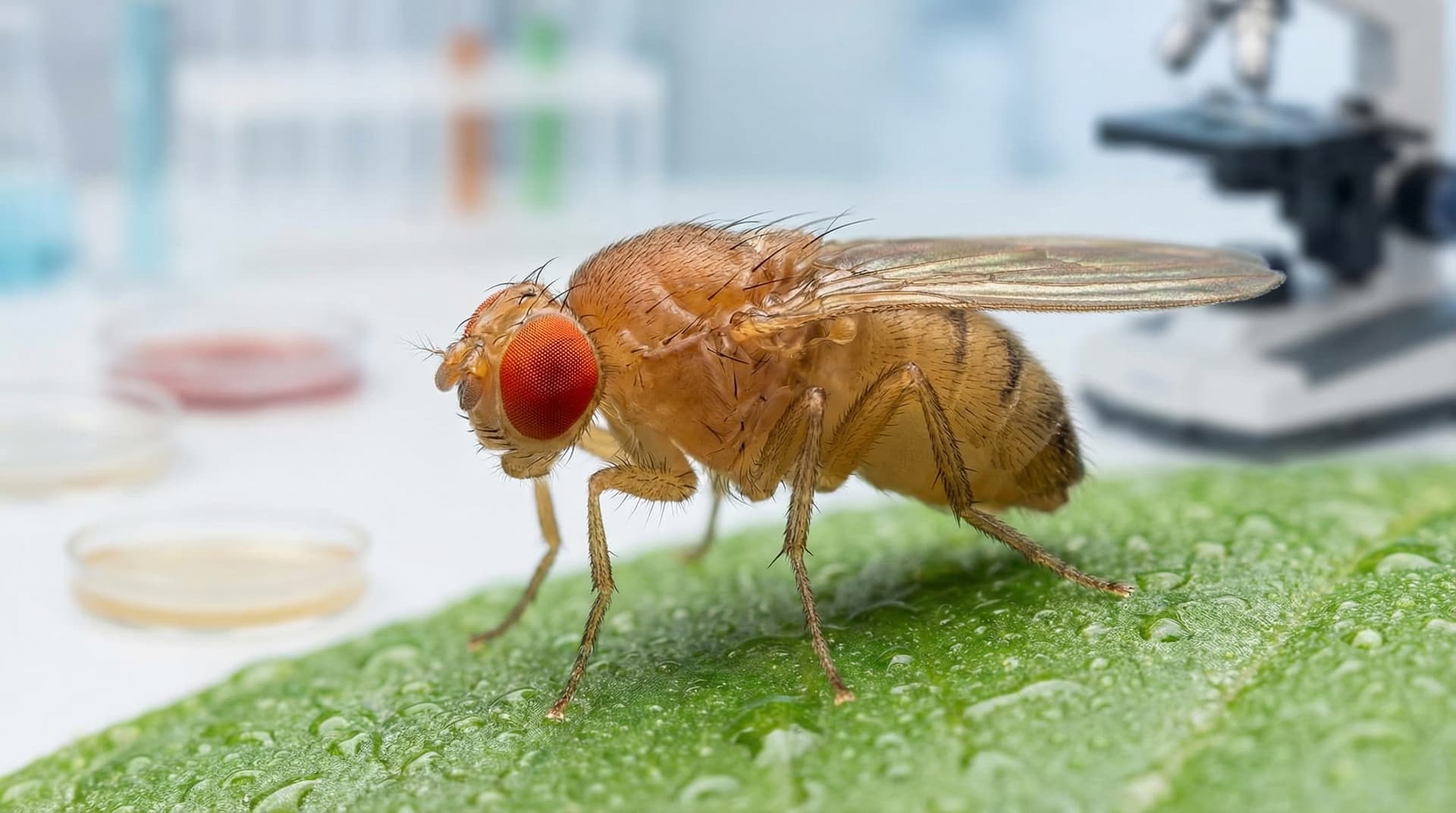
Fruit flies are tiny tan flies with distinctive bright red eyes. They hover around ripening fruit, vegetables, and fermented materials. They're very small—about 1/8 inch—and can seem to appear from no...
Quick Facts
100%
Satisfaction Guarantee
4.9/5
Customer Rating
24hr
Response Time
How to Identify Fruit Flies
Fruit flies are tiny tan flies with distinctive bright red eyes. They hover around ripening fruit, vegetables, and fermented materials.
Fruit flies are tiny tan flies with distinctive bright red eyes. They hover around ripening fruit, vegetables, and fermented materials. They're very small—about 1/8 inch—and can seem to appear from nowhere when fruit begins to ripen.
Fruit Flies Behavior & Habits
Understanding how fruit flies behave helps prevent infestations
Fruit flies are attracted to ripening or fermenting organic material. A single female can lay 500 eggs near fermenting material. Complete lifecycle takes only 8-10 days, allowing populations to explode rapidly. They can breed in surprising places—drain gunk, mops, spilled drinks.
Fruit Flies Risks & Dangers
What fruit flies can do to your health and property
Health Risks
Fruit flies can transfer bacteria from contaminated surfaces to food. They're associated with unsanitary conditions and can contaminate food with pathogens.
Property Damage
No structural damage. They're a food safety concern and indicator of organic material that needs cleaning.
Signs of Fruit Flies Infestation
Look for these indicators in your home
Fruit Flies in Boise & the Treasure Valley
Fruit flies are common in Boise homes, especially during late summer and fall when local produce is abundant. Farmer's market purchases, backyard fruit trees, and garden tomatoes often bring fruit flies indoors. Overripe fruit and vegetable scraps are the primary attractants.
How We Eliminate Fruit Flies
Professional treatment for complete elimination
Fruit fly control requires eliminating breeding sources—no amount of spraying works without sanitation. We locate and remove all breeding material, set traps to catch remaining adults, treat drains if involved, and provide prevention guidance. Success depends on thorough source elimination.
How to Prevent Fruit Flies
Steps you can take to reduce the risk of infestation
Fruit Flies Questions Answered
Common questions about identification, prevention, and treatment
Where do fruit flies come from so suddenly?
Fruit flies often enter on produce as eggs or larvae, or fly in through screens attracted to ripening fruit odors. Their 8-10 day lifecycle means a few flies become hundreds within two weeks.
Do fruit fly traps really work?
Traps help reduce adult populations but won't eliminate an infestation without removing breeding sources. The classic apple cider vinegar trap catches many flies. However, finding and removing the source is essential.
Why do fruit flies come back?
You likely haven't found all breeding sources. Check: overripe produce, recycling bins, garbage disposals, wet mops, drains, spilled liquids under appliances, and forgotten produce. Fruit flies can breed in very small amounts of fermenting material.
Similar Pests
Learn about other pests in this category