
Hobo Spider
Eratigena agrestis
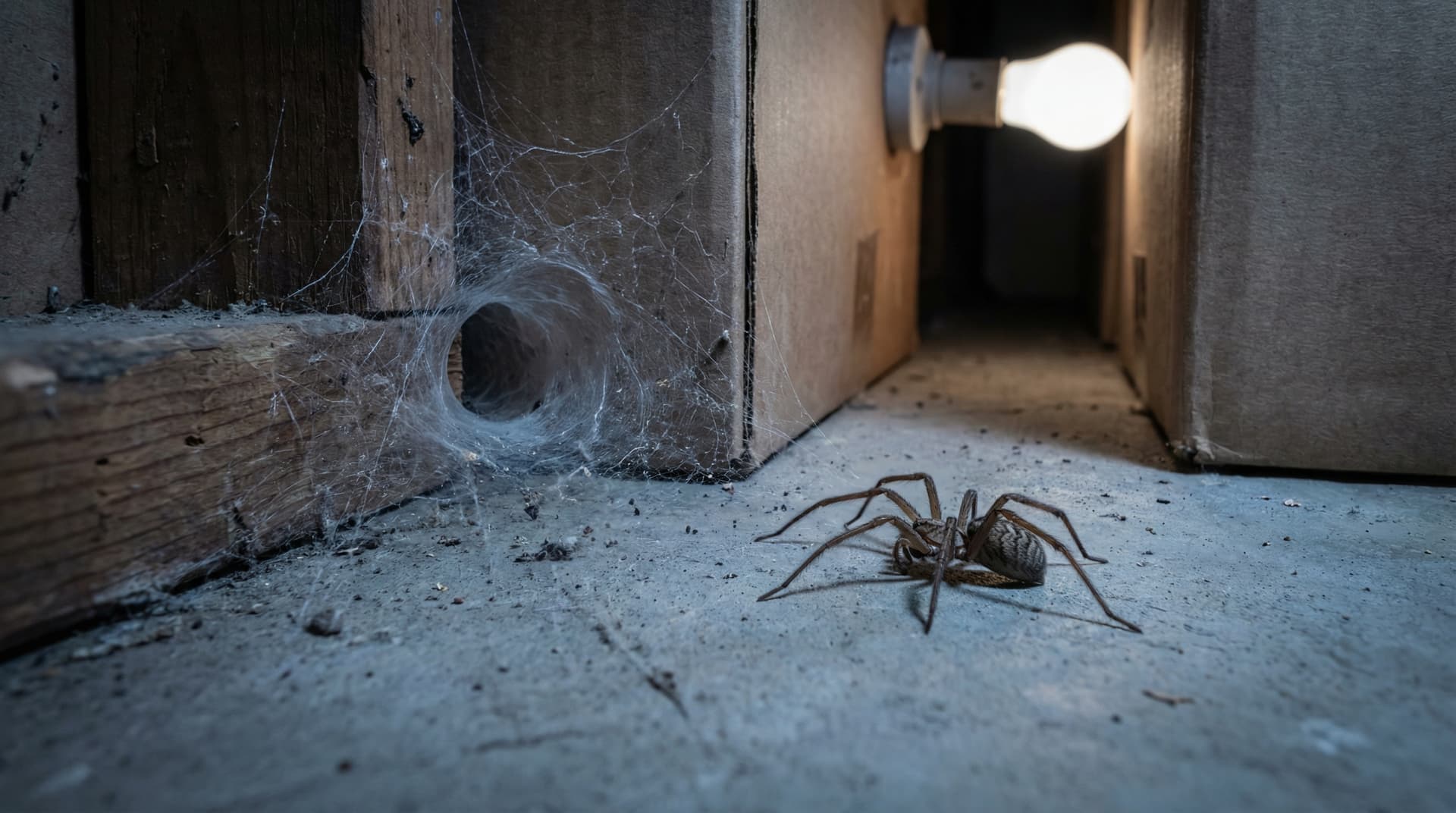
Hobo spiders are medium-sized brown spiders measuring 10-14mm. They have a distinctive chevron (V-shaped) pattern on their abdomen pointing toward the head, and solid brown legs without rings or bands...
Quick Facts
100%
Satisfaction Guarantee
4.9/5
Customer Rating
24hr
Response Time
How to Identify Hobo Spider
Hobo spiders are medium-sized brown spiders measuring 10-14mm. They have a distinctive chevron (V-shaped) pattern on their abdomen pointing toward the head, and solid brown legs without rings or bands.
Hobo spiders are medium-sized brown spiders measuring 10-14mm. They have a distinctive chevron (V-shaped) pattern on their abdomen pointing toward the head, and solid brown legs without rings or bands. They create funnel-shaped webs with a retreat at one end. Often confused with giant house spiders and wolf spiders.
Hobo Spider Behavior & Habits
Understanding how hobo spider behave helps prevent infestations
Hobo spiders are poor climbers and primarily found at ground level. They're most active in late summer and fall when males wander in search of mates. They're not aggressive but will bite if trapped against skin. They build funnel webs in dark, moist areas like basements, window wells, and under debris.
Hobo Spider Risks & Dangers
What hobo spider can do to your health and property
Health Risks
Hobo spider bites are debated—once considered highly dangerous, current research suggests they're not as medically significant as previously thought. Bites may cause pain, redness, and slow-healing wounds in some cases. Seek medical attention if you suspect a bite.
Property Damage
Hobo spiders don't cause property damage but their funnel webs in basements and garages are unsightly.
Signs of Hobo Spider Infestation
Look for these indicators in your home
Hobo Spider in Boise & the Treasure Valley
Hobo spiders are established throughout Idaho and common in Boise-area basements and garages. They're most frequently encountered in late summer and fall during mating season when males wander extensively. They prefer moist environments, making basements and crawl spaces ideal habitat.
How We Eliminate Hobo Spider
Professional treatment for complete elimination
Hobo spider control focuses on treating ground-level areas where they live and travel. We apply residual products along baseboards, in basements, and around foundation perimeters. Reducing their insect prey through general pest control is equally important for long-term management.
How to Prevent Hobo Spider
Steps you can take to reduce the risk of infestation
Hobo Spider Questions Answered
Common questions about identification, prevention, and treatment
Are hobo spiders dangerous?
Hobo spider danger has been debated. Current research suggests they're less dangerous than once believed, but bites can still cause localized pain and irritation. Seek medical attention for any suspected spider bite.
How do I tell a hobo spider from other brown spiders?
Hobo spiders have solid brown legs (no rings), a chevron pattern on their abdomen, and build funnel webs. They're poor climbers, so you'll find them at ground level rather than on walls or ceilings.
Why do I see more spiders in fall?
Male hobo spiders wander extensively in late summer and fall searching for mates. This increases indoor sightings dramatically from August through October.
Similar Pests
Learn about other pests in this category