
Wolf Spider
Lycosidae family
Wolf spiders are large, hairy spiders ranging from 10-35mm. They're typically brown, gray, or tan with darker markings or stripes. Their most distinctive feature is their eye arrangement: two large ey...
Quick Facts
100%
Satisfaction Guarantee
4.9/5
Customer Rating
24hr
Response Time
How to Identify Wolf Spider
Wolf spiders are large, hairy spiders ranging from 10-35mm. They're typically brown, gray, or tan with darker markings or stripes.
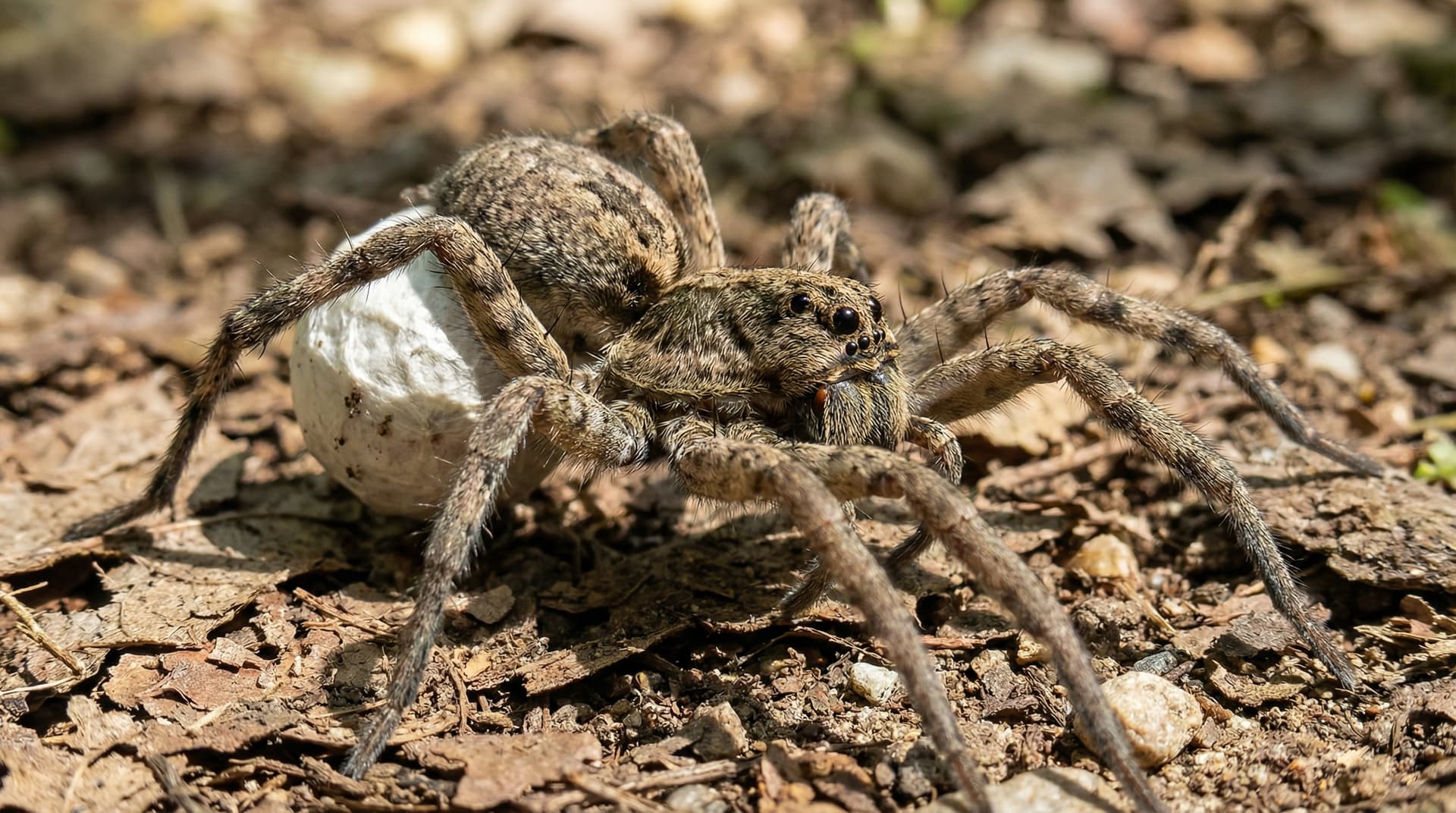
Wolf spiders are large, hairy spiders ranging from 10-35mm. They're typically brown, gray, or tan with darker markings or stripes. Their most distinctive feature is their eye arrangement: two large eyes in front, with two smaller eyes above and four smaller eyes below. They don't build webs and are often seen running.
Wolf Spider Behavior & Habits
Understanding how wolf spider behave helps prevent infestations
Wolf spiders are active hunters that chase down prey rather than trapping it in webs. They're primarily nocturnal and have excellent vision. Females carry their egg sacs attached to their spinnerets and carry hatched spiderlings on their backs. They prefer ground-level habitats and are fast runners.
Wolf Spider Risks & Dangers
What wolf spider can do to your health and property
Health Risks
Wolf spiders can bite if threatened, causing mild pain and localized swelling similar to a bee sting. They're not aggressive and bites are rare. They're not medically significant.
Property Damage
No property damage. Their presence often indicates a healthy population of insects (their prey).
Signs of Wolf Spider Infestation
Look for these indicators in your home
Wolf Spider in Boise & the Treasure Valley
Wolf spiders are common throughout the Treasure Valley, especially in homes near open fields or with landscaped yards. They're beneficial predators but their large size and speed make them alarming when found indoors.
How We Eliminate Wolf Spider
Professional treatment for complete elimination
Wolf spider control focuses on reducing their prey population and excluding them from structures. Perimeter treatments create barriers, and interior treatments target hiding spots. Reducing outdoor lighting and sealing entry points provides long-term reduction.
How to Prevent Wolf Spider
Steps you can take to reduce the risk of infestation
Wolf Spider Questions Answered
Common questions about identification, prevention, and treatment
Are wolf spiders dangerous?
Wolf spiders are not dangerous. They can bite if handled but the bite is similar to a bee sting. They're actually beneficial predators that eat many pest insects.
Why is this spider carrying babies on its back?
Female wolf spiders are exceptional mothers—they carry their egg sac attached to their body and then carry hatched spiderlings on their backs until they can survive independently.
Similar Pests
Learn about other pests in this category